Aarhus City Guide
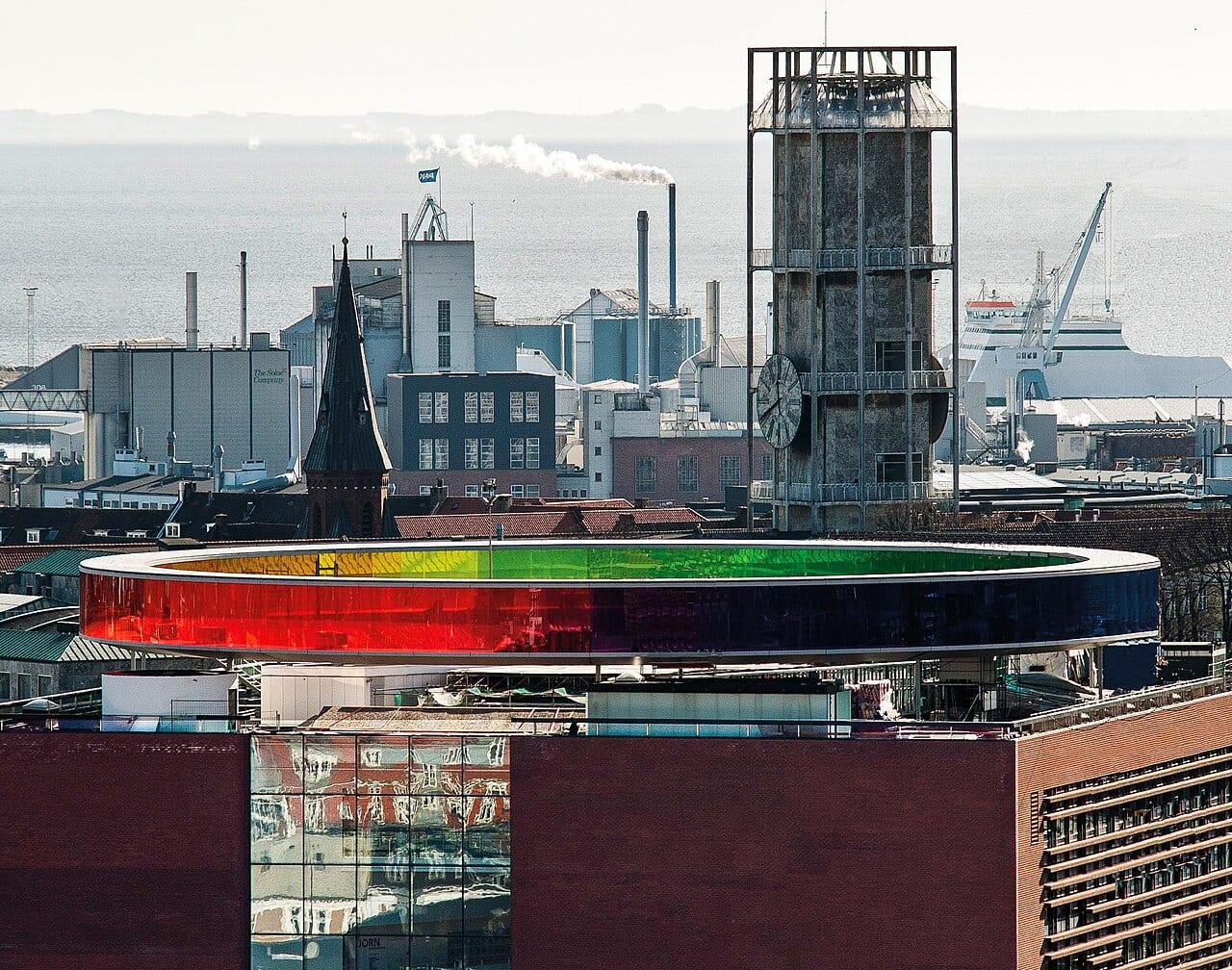
Denmark’s second-largest city and the capital of the Jutland peninsula, Aarhus has built a reputation as the country’s tightest and most resilient rental market. With around 1.2% residential vacancy in Q3 2025, the lowest in Denmark, and a student body anchored by Aarhus University, the city offers investors unusually dependable income relative to the Danish norm. The waterfront Aarhus Ø (Aarhus Docklands), one of Northern Europe’s most ambitious harbourfront regenerations, has reshaped the skyline with new residential towers and become a clear gentrification story, with prices in such districts appreciating an estimated 15–25% over recent years. For yield, investors look inland to student-driven Trøjborg, minutes from the university, and to Viby J, Brabrand, and other outer districts where gross yields reach the 4.5–6% range, against a city average near 4.3% that sits comfortably above Copenhagen’s ~3.0%. The wider Danish market rose roughly 4% nominally over 2025 (about 2% in real terms), a stable backdrop rather than a boom. With an urban population around 301,000 (and a municipality of roughly 378,000), a young demographic profile, and a diversified economy spanning shipping (the Port of Aarhus), life sciences, and education, Aarhus delivers a low-vacancy, income-led entry into the Danish market.
Figures are indicative and subject to change. Regulations, taxes and market conditions vary by jurisdiction. Do your own due diligence and seek independent legal and financial advice.