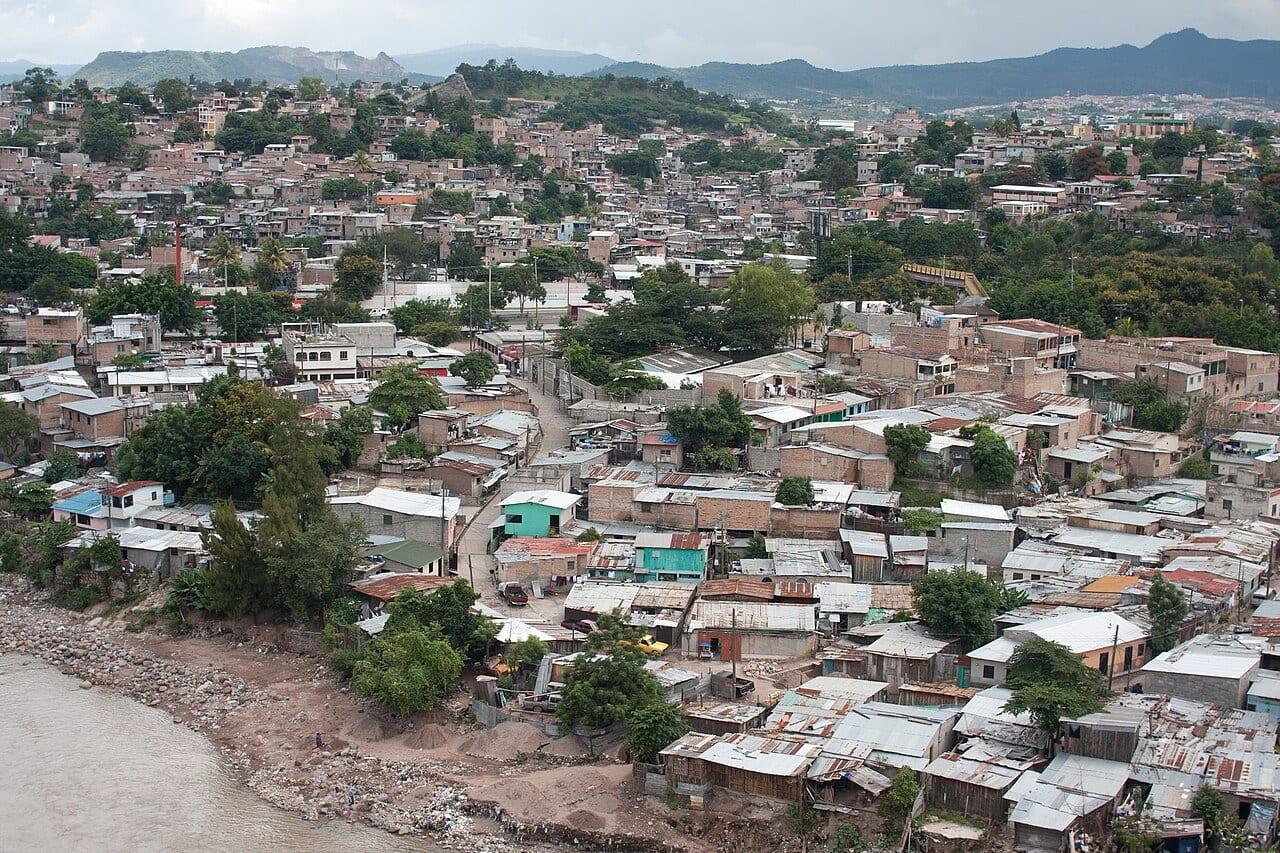
Tegucigalpa
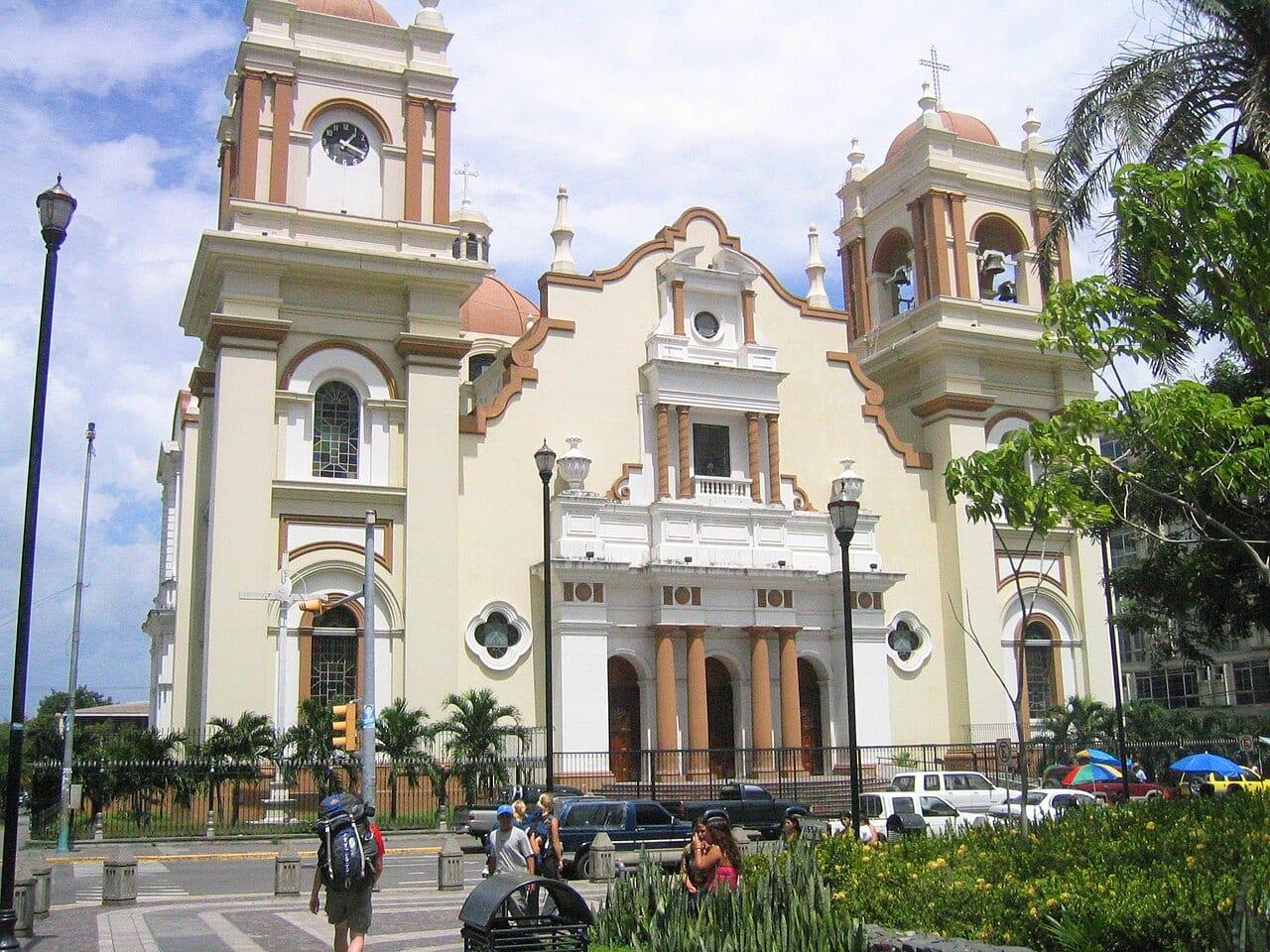
Tegucigalpa is Honduras's capital and largest metropolitan area, the seat of government, embassies, NGOs, and the country's administrative economy. Its 2026 population is estimated near 1,691,030, growing 2.47% annually. As the primary domestic job market, it is a yield-and-stability play rather than a dollar-priced resort market. Prime apartments command around US$2,500/m², with the highest prices in Lomas del Guijarro, Palmira, and El Hatillo (roughly L35,000-L55,000/m²), while budget peripheral areas start near HNL 9,000/m² (about US$340). The 2026 median housing price is about L5,800,000 (roughly US$220,000). Rental demand is anchored by government employees, NGO and embassy staff, and professionals: a 2-bedroom apartment averages about L31,250/month (around US$1,250). The highest gross yields are in Miraflores (6.5-8.5%) and Colonia Kennedy (7-10%), with Boulevard Los Próceres at 5.5-7.5% and Colonia Palmira at 5-7%. Lomas del Guijarro and Lomas del Mayab lead appreciation at 8-10% annually, though citywide nominal growth of about 5% nets near 0-1% after inflation. Honduras is not dollarized, so investors carry lempira exposure. Foreigners may own under Decree 90-90 (one urban property up to 3,000 m²) or through a Honduran corporation; the capital is inland and unrestricted, unlike coastal/border zones.
Figures are indicative and subject to change. Regulations, taxes and market conditions vary by jurisdiction. Do your own due diligence and seek independent legal and financial advice.